From Simple Strategies to Complex Realities: Why Simulation and Building Games Are Revolutionizing Gaming Experiences
The gaming industry has always adapted and evolved, but recent advancements in simulation games and building games are pushing the boundaries further than ever. These genres not only provide entertainment but also create immersive experiences that allow players to connect with their environment, strategize, and engage in complex realities. From virtual cities to intricate ecosystems, simulation games are more than just play—they are a new way of experiencing life through digital lenses.
The Evolution of Simulation Games
Simulation games have come a long way since their inception. Initially, they were simple programs that merely replicated real-world activities. Today, they encapsulate vast worlds with intricate mechanics, requiring critical thinking and problem-solving skills. Here are a few key points regarding their evolution:
- Early Concepts: Early simulation games were text-based, with minimal graphics and engagement.
- 3D Environments: With advancements in technology, we now have 3D simulation games where players experience immersive worlds.
- Realism: Modern games incorporate realistic physics, weather patterns, and even social interactions.
Building Games: Creating From Scratch
Building games represent a fascinating aspect of simulation genres. These games allow players to construct entire worlds or civilizations, offering a chance to unleash creativity while testing their management skills. Popular examples include "Minecraft" and "The Sims," which present both challenges and opportunities for players to thrive.
| Game | Core Features | Target Audience |
|---|---|---|
| Minecraft | Creative freedom, survival mode, multiplayer options | All ages |
| The Sims | Life simulation, character customization, relationship dynamics | Young adults to adults |
| Planet Coaster | Theme park building, management simulation | All ages |
Engagement and Community in Simulation and Building Games
A significant aspect of why simulation and building games are so appealing is their ability to foster community engagement. Players aren’t just solitary gamers; they often engage in online forums, communities, and social media platforms to share their achievements, strategies, and game designs. Consider these factors:
- Online Sharing: Platforms like YouTube and Twitch have become critical in showcasing gameplay and unique creations.
- Modding Communities: Renowned games often allow modding, where players create and share their content.
- Collaboration: Multiplayer modes enable players to collaborate on projects, enhancing creativity and problem-solving.
The Role of ASMR in Gaming Experiences
Aside from strategic gameplay, the integration of game online ASMR has created a unique niche within the gaming community. ASMR, or Autonomous Sensory Meridian Response, provides players a relaxing experience, which can make simulation games feel even more immersive.
Games like "Stardew Valley" not only engage players with mechanics but also provide soothing sounds that enhance relaxation and immersion:
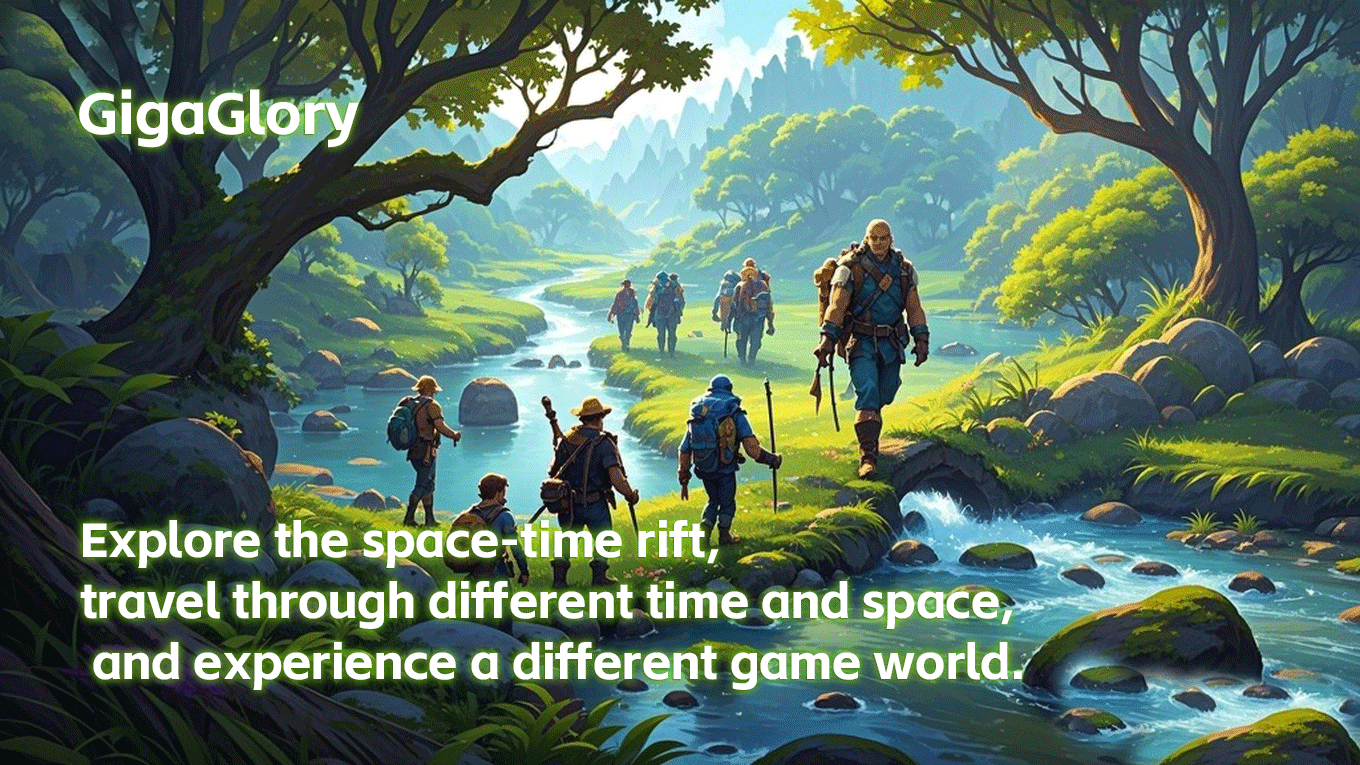
- Nature Sounds: Soft rustling leaves and gentle water flowing in simulation games provide a calming effect.
- Building Mechanics: The sounds of placing blocks or building structures can trigger ASMR responses.
- Background Music: Ambient music in these games adds to the overall experience.
Challenges and Future Directions
While simulation and building games have flourished, they’re not without challenges. As technology rapidly evolves, developers face pressure to innovate continuously. Issues such as balancing realism with fun, addressing game bugs, and managing communities are paramount.
Future directions could include:
- AI Integration: Expanding AI capabilities can lead to smarter in-game characters and more complex scenarios.
- Virtual Reality: VR can offer an even more immersive experience, bringing simulations to life.
- Cross-Platform Play: Allowing users to interact regardless of the device can broaden the community base.
Conclusion
As we delve deeper into the realms of simulation and building games, it's clear they are revolutionizing how players engage with their virtual environments. These games are not just pastimes; they serve as platforms for creativity, strategy, and community building. With advancements like ASMR integration and potential growth in AI and VR, the future of gaming promises even richer experiences. So whether it’s constructing the best sniper delta force or creating a sprawling city, simulation games are transforming realities one pixel at a time.